Introduction
In our significantly globalized world, the value of understanding foreign education systems has actually never ever been more crucial. Whether you're a worldwide student looking for admission to a university abroad, an employer wanting to hire talent from varied backgrounds, or an educational institution examining candidates' certifications, familiarity with how various education systems operate can substantially impact your choices. This article digs deep into "The Course-by-Course Approach to Comprehending Foreign Education Systems," providing insights and assistance on navigating this complex terrain.
The Course-by-Course Method to Comprehending Foreign Education Systems
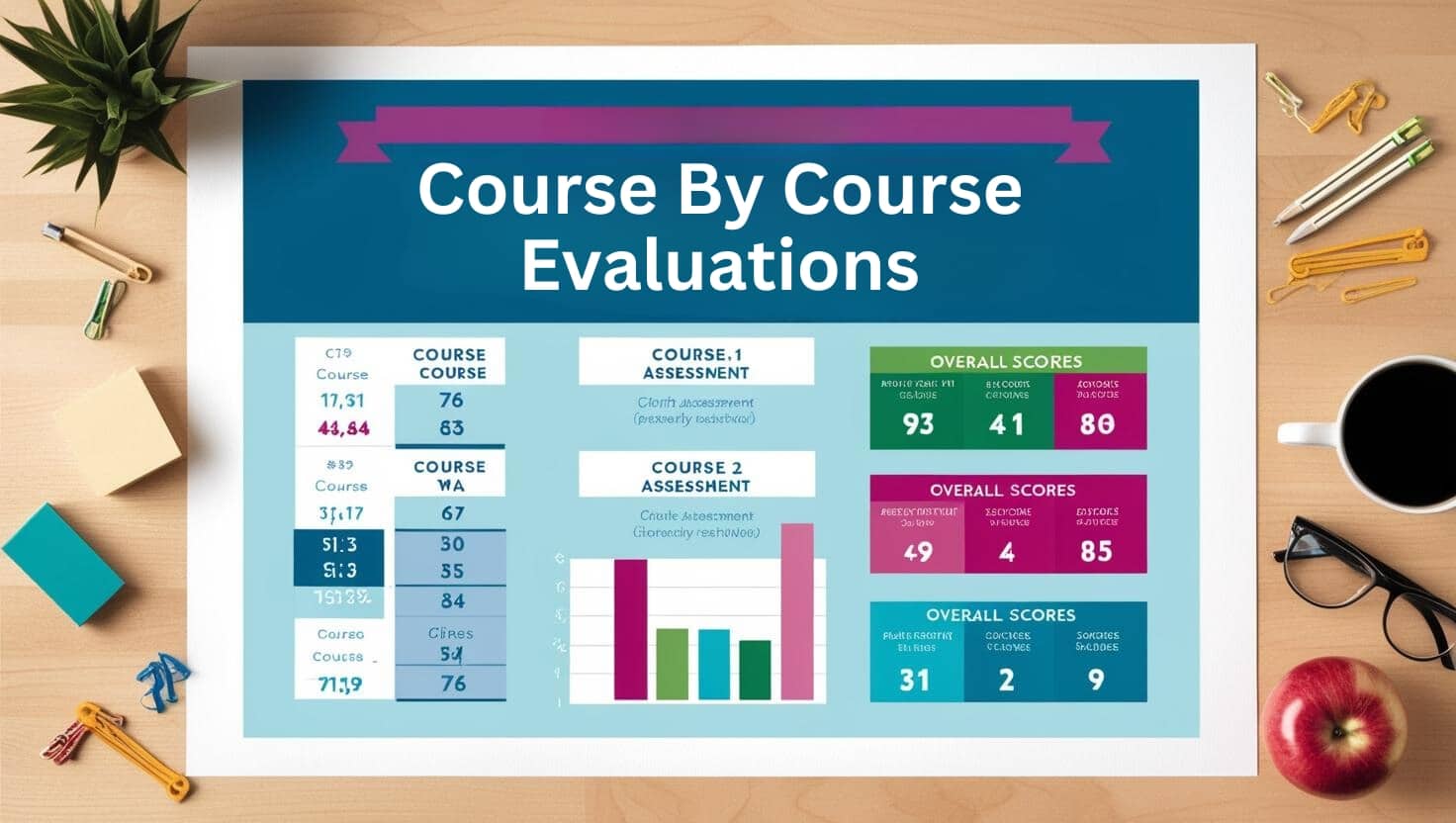
Understanding foreign education systems requires a nuanced method. Traditional methods frequently fail, as they may not represent the differences in curriculum, grading systems, and scholastic qualifications across nations. The course-by-course credential evaluation approach addresses these disparities by examining specific courses taken by students, rather than just looking at total degrees or diplomas.
What is Course-by-Course Credential Evaluation?
Course-by-course credential examination is a specific kind of scholastic credential assessment that breaks down a trainee's academic history into private courses. This method offers detailed insights into:
- Course content: What subjects were studied? Credit hours: The number of credits were awarded for each course? Grades received: What was the performance level in each subject?
This level of detail assists institutions evaluate the equivalency of foreign education compared to local requirements effectively.
Why is it Important?
Understanding the specifics of a trainee's academic background permits organizations and employers to make informed choices. For example, if a student finished from a foreign university with a specialization in engineering but did not take certain core courses acknowledged in another country, this might impact their eligibility for particular programs or job roles.
How Does Academic Credential Evaluation Work?
1. The Process Explained
Academic credential evaluation generally includes several steps:
- Document Submission: Students send their transcripts and other pertinent documents. Verification: The examining agency validates the authenticity of these documents with releasing institutions. Evaluation Report Development: In-depth reports are generated outlining course equivalencies and grades.
2. Types of Assessments Available
There are different kinds of examinations available depending upon what you require:
- General assessment: Supplies an introduction of degree equivalency. Course-by-course evaluation: Deals detailed info about individual courses. Work experience assessment: Analyzes expert experience related to scholastic qualifications.
Each type serves different functions and is essential depending on your situation.
International Credential Evaluation Services: A Thorough Guide
When considering studying or working abroad, knowing which global credential examination services to make use of is vital. Here's a breakdown:
1. Acknowledged Agencies for Assessment Services
Several recognized firms specialize in worldwide credential evaluations:
|Firm Name|Country|Expertise|| ----------------------------|-----------------------|------------------------------|| World Education Services (WES)|U.S.A.|Academic qualifications|| Educational Credential Evaluators (ECE)|USA|Course examinations|| International Education Evaluators (IEE)|USA|Comprehensive examinations|
These agencies have actually developed reliability and are recognized by universities and companies alike.
2. Factors Influencing Choice of Agency
When selecting a company for international credential examination services, think about aspects such as:
- Reputation and recognition Turnaround time for evaluations Cost of service Type of reports provided
The Role of Course-by-Course Credential Assessment in Admission Processes
1. Universities' Viewpoint on Evaluations
Universities often depend on course-by-course assessments during admissions due to the fact that they provide clarity relating to the candidate's readiness for their programs.
Why Is This Crucial?
Different nations have varying mentor methods and course structures; therefore:
- It ensures that applicants meet prerequisites. It helps maintain scholastic standards within programs.
2. Companies' Perspective on Evaluations
For employers, comprehending a candidate's academic background through detailed examinations can be essential in recruitment processes.
Key Points for Employers
Employers can figure out if candidates have necessary skills through evaluations such as:
- Identifying core competencies established during coursework. Validating claims made by prospects regarding their instructional achievements.
Work Experience Assessment: Bridging Spaces in Academic Credentials
In addition to formal education, work experience plays a substantial function in examining somebody's qualifications-- specifically when individuals have non-traditional academic backgrounds or when they have actually gotten proficiency through practical ways rather than formal schooling.
1. What Constitutes Work Experience Evaluation?
Work experience assessments involve examining expert experiences against academic standards. Aspects evaluated include:
- Job titles held Responsibilities undertaken Skills acquired
2. Value in Different Sectors
Various sectors value work experience in a different way; for instance:
- In technical fields like IT or engineering, relevant work experience may outweigh formal qualifications. In academia or specialized occupations like medicine, formal credentials may hold more weight than work history alone.
Expert Opinion Letters: Enhancing Your Credential Assessment Process
A specialist viewpoint letter works as an extra tool that supports standard credential assessments by providing context about special academic experiences or curricula that may not fit nicely into basic frameworks.
1. Purpose of Specialist Opinion Letters
These letters offer insights from experts who understand both the foreign education system and regional standards much better than automated evaluation processes can convey.
Benefits Include:
- Verification of unusual qualifications Clarification on curriculum specifics Support in making a case for admission or hiring
2. How to Get a Professional Opinion Letter?
To acquire a skilled viewpoint letter:
Identify specialists knowledgeable about both academic systems. Request in-depth evaluations based on personal academic records. Ensure these opinions are recorded officially for submission with applications.Business Strategy Examinations: Comprehending Entrepreneurial Certifications Throughout Borders
In today's competitive landscape, organizations frequently look for talent from diverse backgrounds who possess unique entrepreneurial skills shaped by varied academic experiences around the globe.
1. What is Company Strategy Evaluation?
A business strategy examination examines the practicality and potential success of proposed service ideas while thinking about foundational understanding gotten from official education and useful experiences abroad.
Components Include:
- Market research analysis Financial forecasts Marketing strategies
2. Value in International Markets
Business strategy evaluations matter since investors typically want assurance that business owners understand regional markets properly while also having the ability to leverage their global education effectively.
Conclusion
Navigating foreign education systems can appear daunting in the beginning glimpse; however, using techniques such as course-by-course credential evaluation supplies clearness and precision that benefits both students and institutions alike. By integrating numerous tools like work experience examinations and https://rafaelulrk420.trexgame.net/strategizing-success-with-business-strategy-assessments-a-secret-for-international-entrepreneurs skilled viewpoint letters into this process, stakeholders can ensure they make well-informed options regarding admissions or hiring practices based upon extensive assessments rather than surface-level info alone.
In summary, "The Course-by-Course Technique to Understanding Foreign Education Systems" not only enhances openness however also promotes inclusivity in academic community and work sectors worldwide-- making it possible for diverse talents to contribute meaningfully throughout borders without being impeded by misunderstandings surrounding their qualifications.
Frequently Asked Concerns (FAQs)
Q1: What is course-by-course credential evaluation? A: It's a technique that examines individual courses taken by trainees rather than just total degrees to supply detailed insights into their scholastic history.
Q2: Why must I get my qualifications evaluated? A: Credential examinations assist universities assess your certifications accurately while permitting employers to verify your skills versus market standards.
Q3: Which companies offer worldwide credential evaluation services? A: Agencies like World Education Solutions (WES) and Educational Credential Evaluators (ECE) are extensively recognized alternatives among others focusing on global qualifications.
Q4: Can work experience be examined together with my scholastic credentials? A: Absolutely! Work experience evaluations examine professional experiences pertinent to your field along with formal instructional accomplishments boosting your overall profile significantly.
Q5: How do professional opinion letters add to my application? A: They provide tailored context from well-informed experts validating distinct elements about your credentials which might not be caught through standard assessments alone.
Q6: Is service strategy examination important for business owners with foreign degrees? A: Yes! It confirms entrepreneurial concepts versus established company concepts making sure extensive analyses that draw in investments while showcasing innovative thinking influenced by diverse instructional backgrounds.
This article aims not only at debunking complicated procedures involved but likewise highlights crucial resources required along this journey towards comprehending foreign education systems effectively!